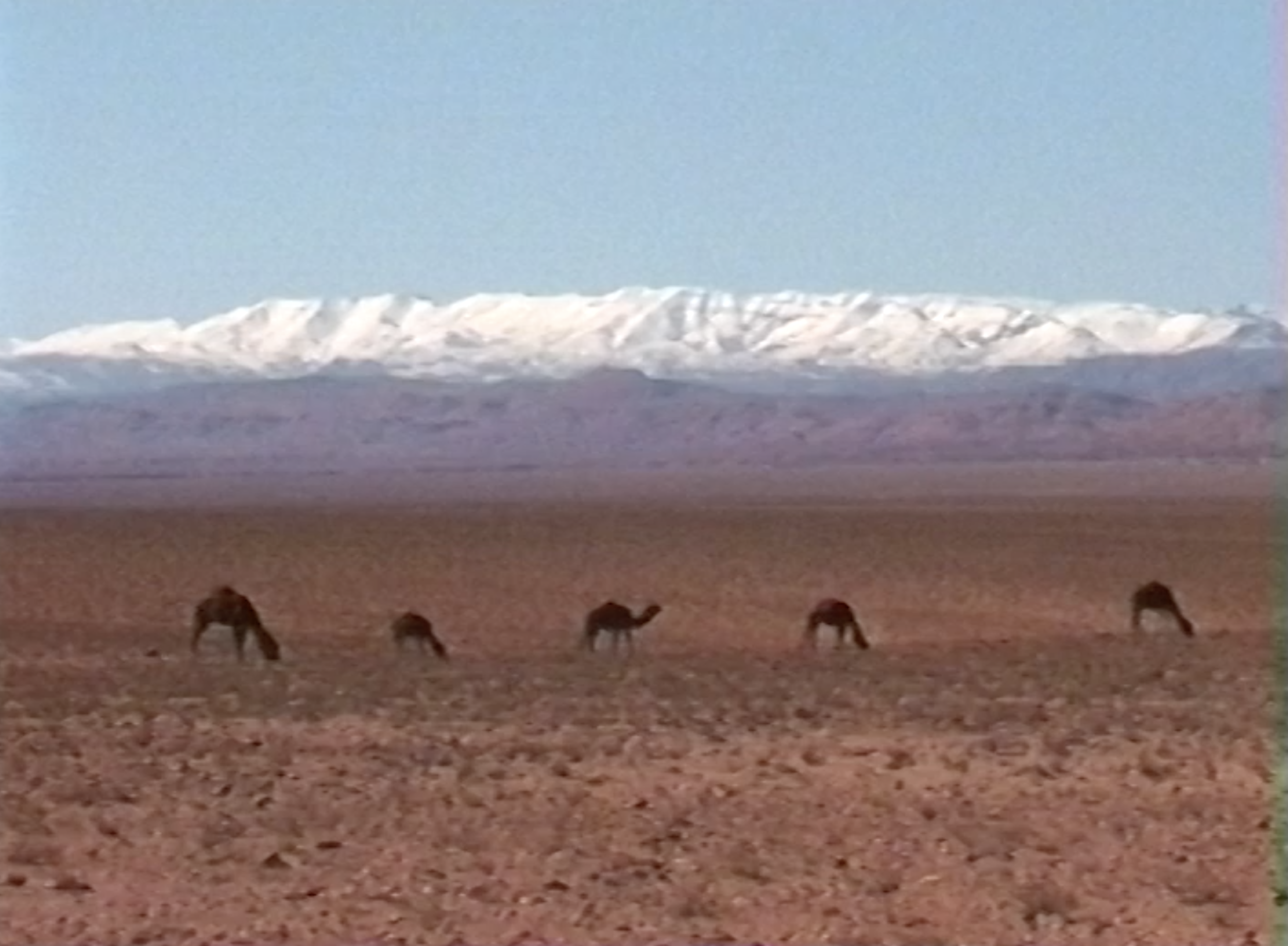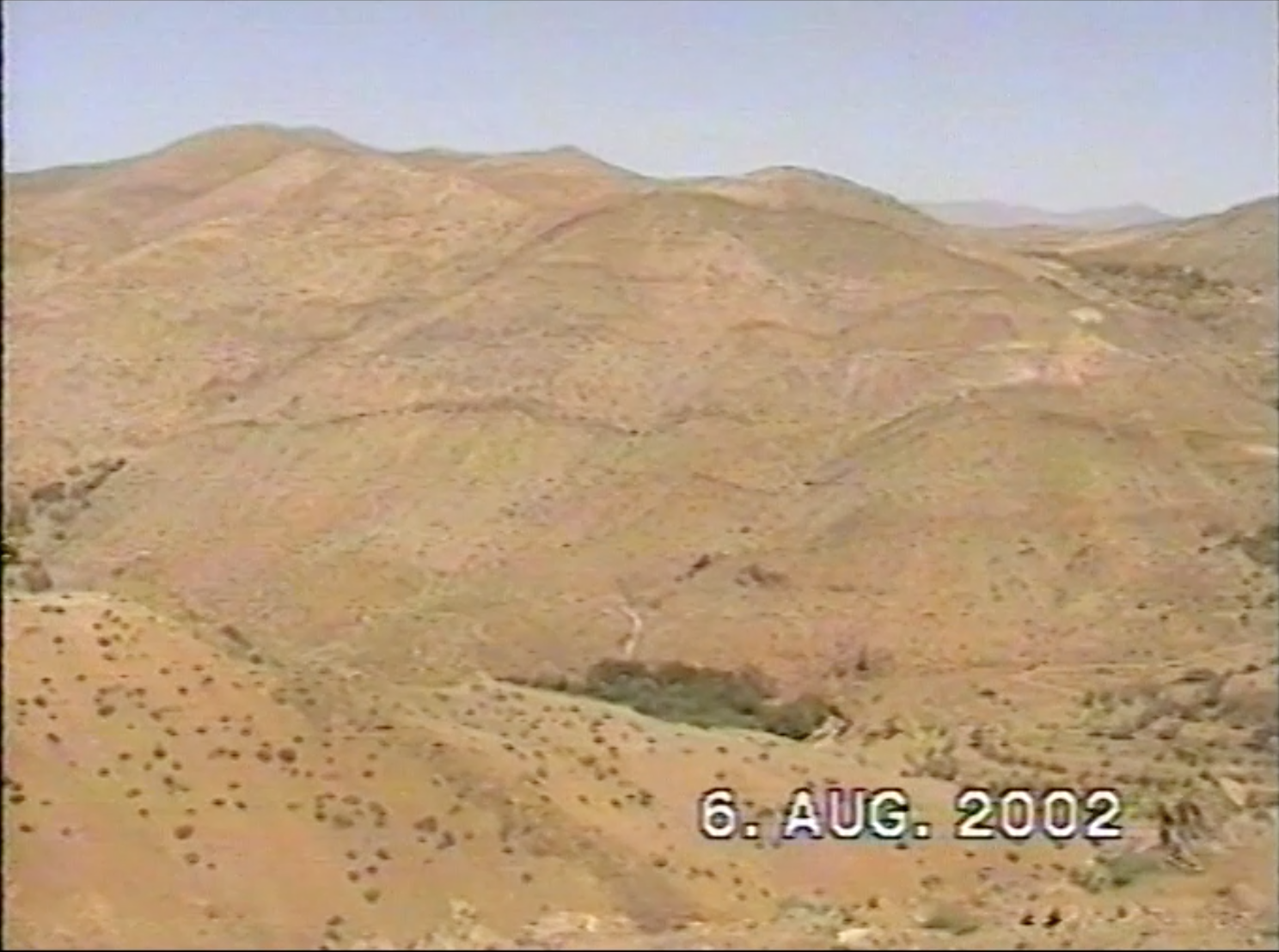

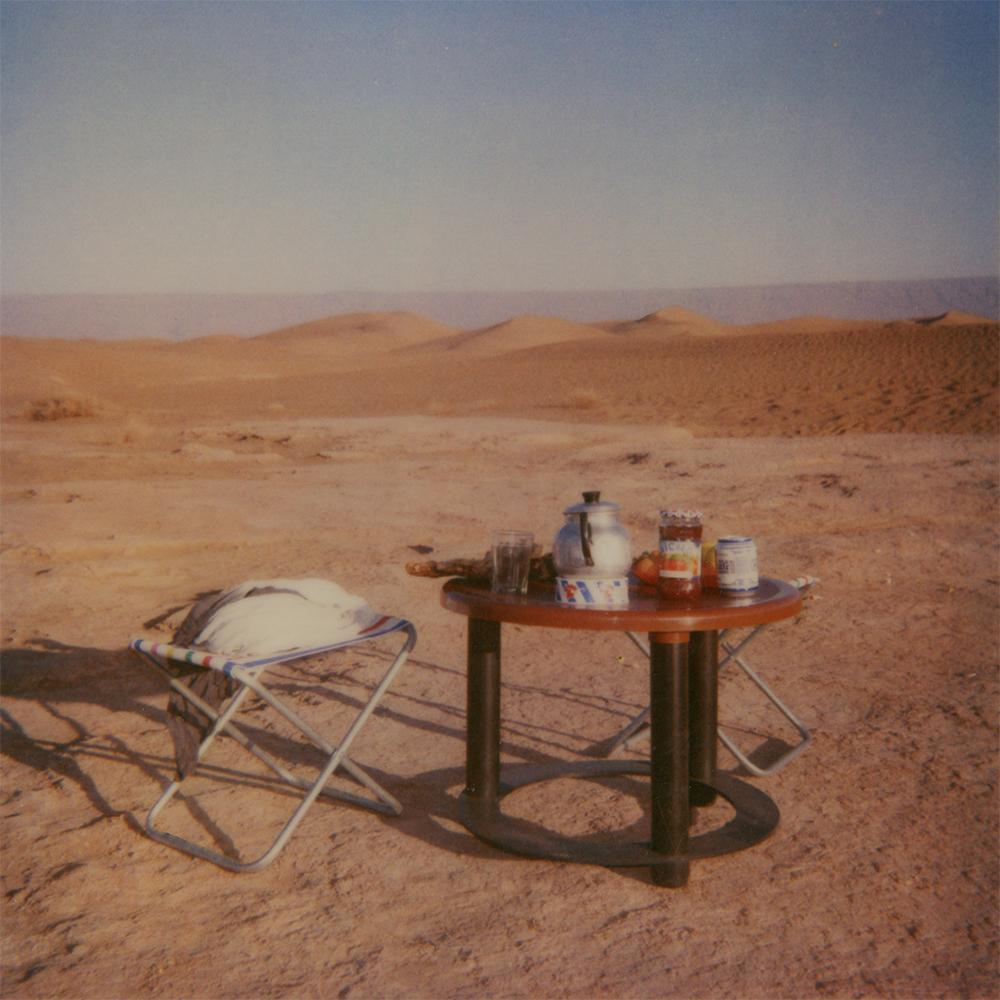
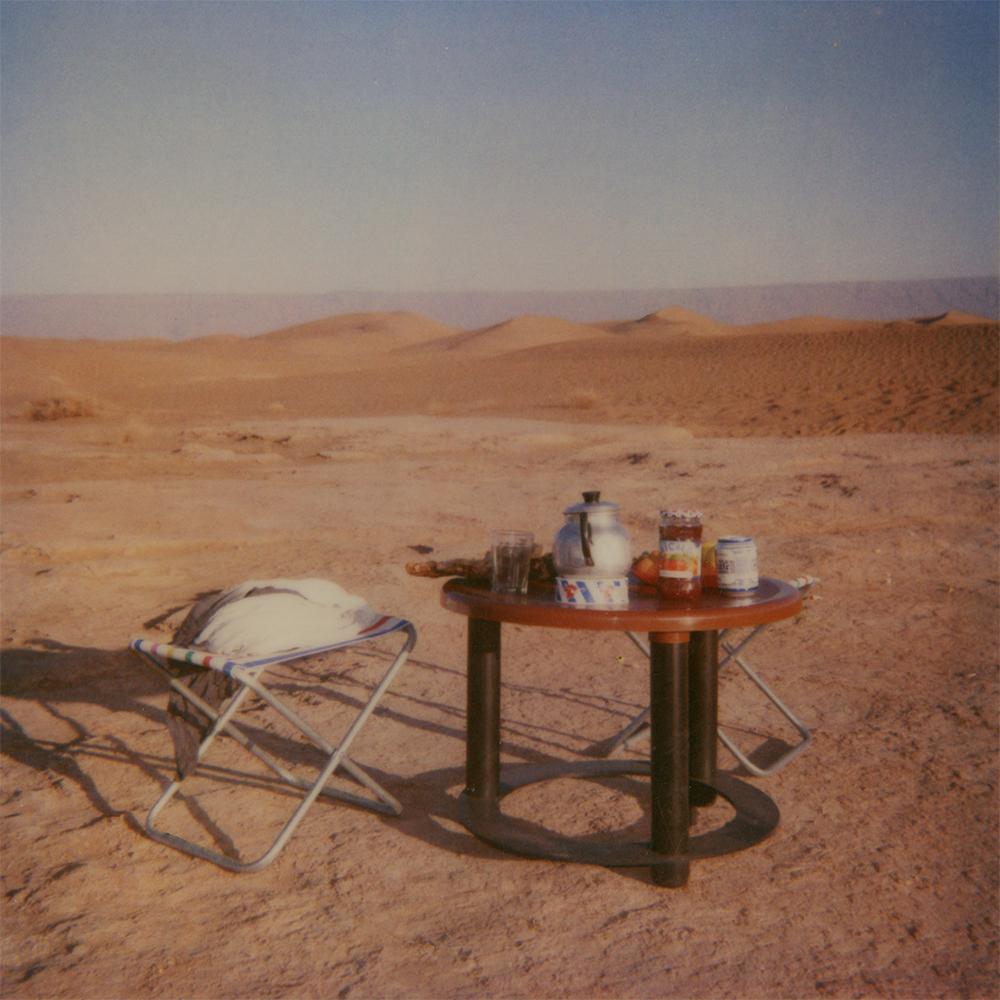
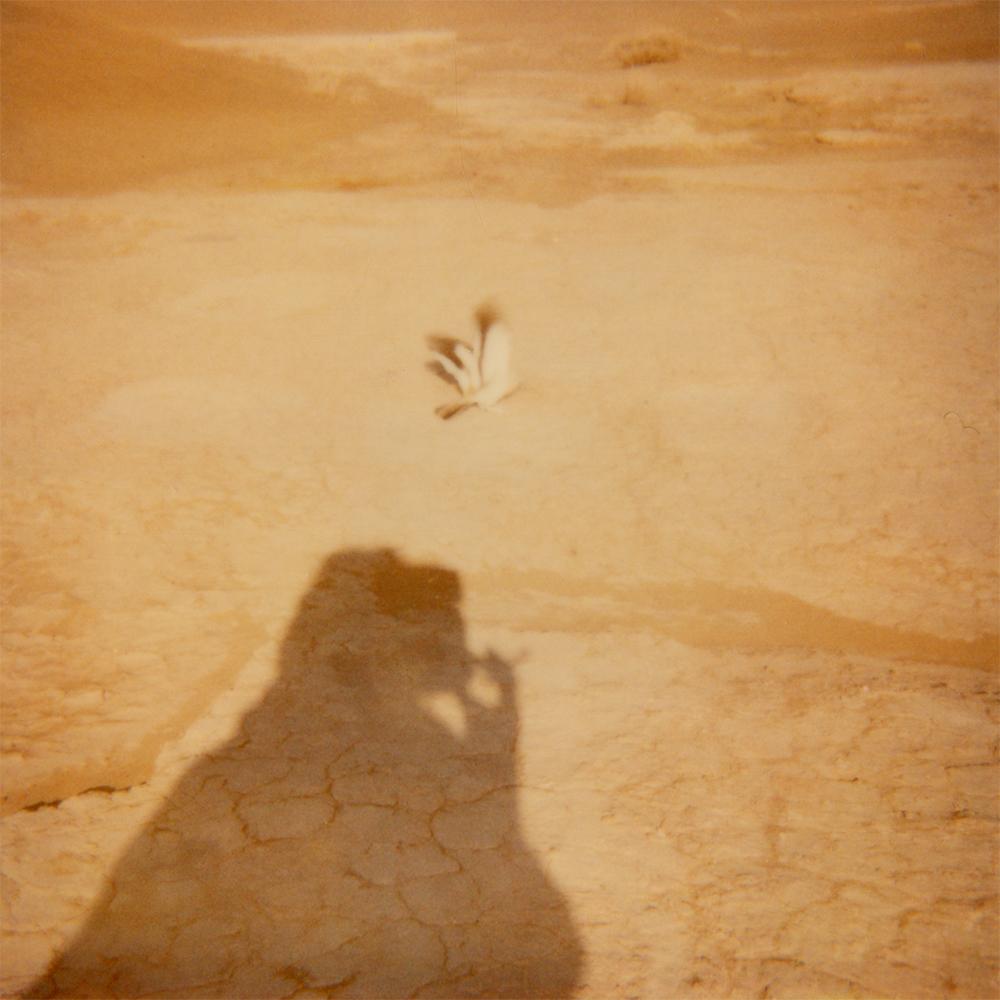
This documentary film unfolds from the objects my mother gathered during her travels in Morocco. Photographs, stones, a personal journal, wire sculptures, camel bones, a herbarium, and a constellation of annotated books form the archive she patiently assembled over the years. These fragments constitute both a material collection and an emotional landscape, at the core of the film.
The writings of young explorer Isabelle Eberhardt accompany me throughout this journey, offering a poetic counterpoint to the personal archaeology I undertake. Her texts punctuate my attempt to understand my mother’s unconditional attachment to the Moroccan deserts, and what she was searching for there.
At the same time, the film critically engages with the legacy of Western travel literature, in which landscapes have often been approached as blank surfaces onto which fantasies, desires, and spiritual projections are imposed. By placing my mother’s archive in dialogue with these writings, the film questions the ways in which love for a territory can coexist with appropriation, fascination, and inherited imaginaries. Rather than reproducing an exoticizing gaze, the film seeks to destabilize it, shifting attention from projection to presence, from possession to listening, and from the myth of the desert to its lived, complex realities.
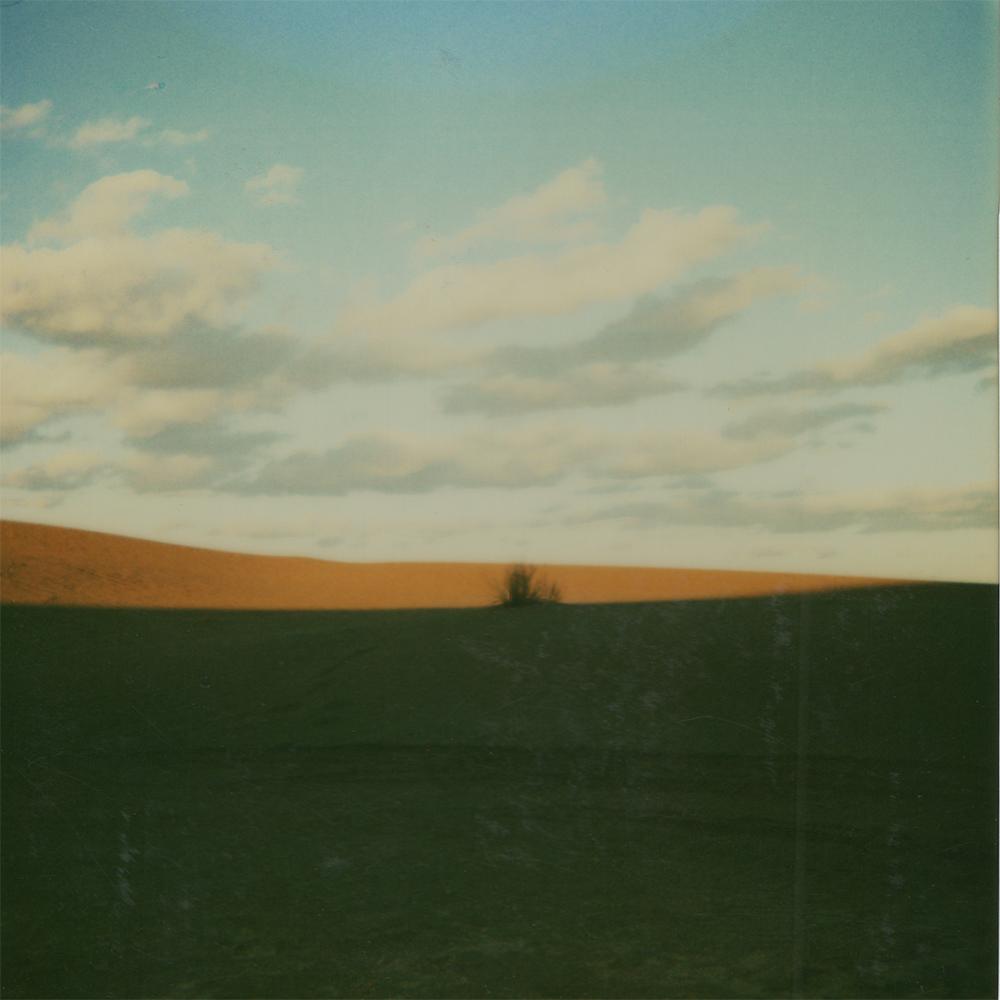
Archives d'un souffle chaud
(En cours, 2025 – Documentaire, Formats photographiques et filmiques : Polaroid, Mini DV, 4K – En développement)
Ce film documentaire se déploie à partir des objets que ma mère a collectés lors de ses voyages au Maroc. Photographies, pierres, journal personnel, sculptures en fil de fer, os de chameau, herbier et constellation de livres annotés composent l’archive qu’elle a patiemment assemblée au fil des années. Ces fragments constituent à la fois une collection matérielle et un paysage émotionnel, au cœur du film.
Les écrits de la jeune exploratrice Isabelle Eberhardt m’accompagnent tout au long de ce parcours, offrant un contrepoint poétique à l’archéologie personnelle que je mène. Ses textes ponctuent ma tentative de comprendre l’attachement inconditionnel de ma mère aux déserts marocains et ce qu’elle y cherchait.
Parallèlement, le film s’engage de manière critique avec l’héritage de la littérature de voyage occidentale, dans laquelle les paysages ont souvent été abordés comme des surfaces vierges sur lesquelles s’imposaient fantasmes, désirs et projections spirituelles. En mettant en dialogue l’archive de ma mère avec ces écrits, le film interroge la manière dont l’amour pour un territoire peut coexister avec l’appropriation, la fascination et les imaginaires hérités. Plutôt que de reproduire un regard exotisant, le film cherche à le déstabiliser, en déplaçant l’attention de la projection vers la présence, de la possession vers l’écoute, et du mythe du désert vers ses réalités vécues et complexes.